

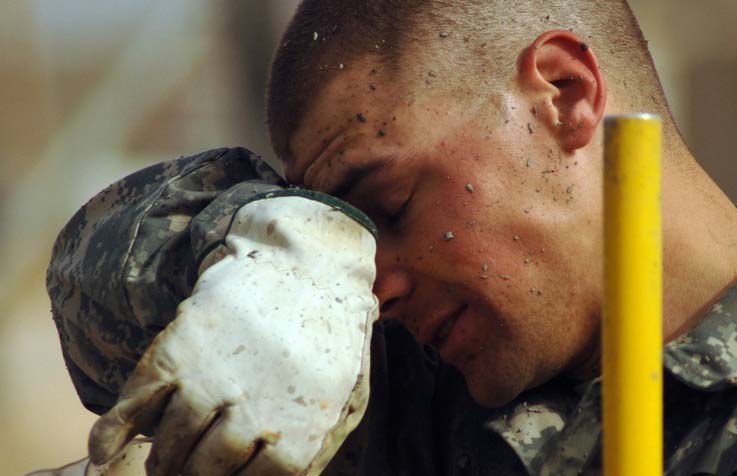
As it gets hotter out, people are advised to limit their outdoor activities. Unfortunately, that is not always an option, especially for those who work outside. For those who must be outside, knowing the risk factors and knowing how to prevent them is key to keeping yourself protected.
Working outdoors in the heat carries real risks, including heat exhaustion and heat stroke.
Risk factors
What raises the risk of heat-related illness
- High air temperatures
- High humidity
- Direct sun exposure
- Physical exertion
- Dehydration
- Certain medical or physical conditions
- Not being acclimatized
- Advanced age
Staying hydrated
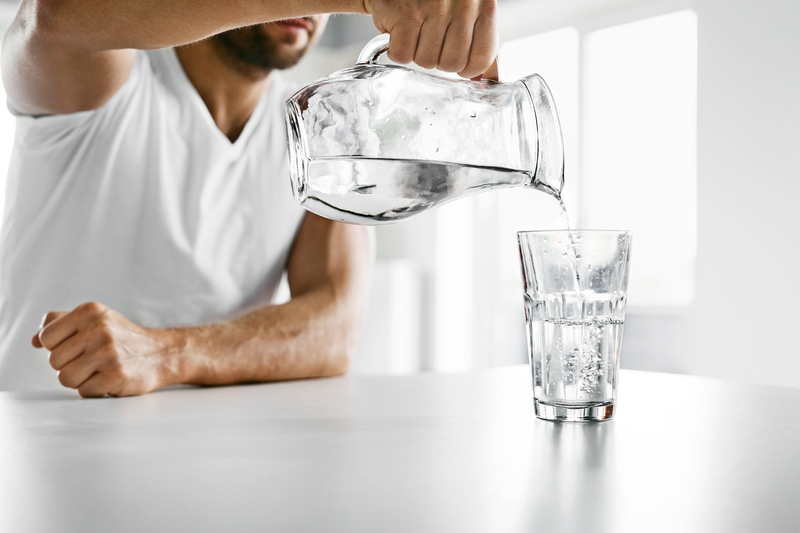
When we sweat, our 2.6 million sweat glands lose water and electrolytes, increasing the risk of dehydration. It is necessary to drink enough water to make up for that loss.
Sweat glands losing water and electrolytes every time you sweat.
What the CDC recommends for moderate activity in moderate conditions.
Drink water before you become thirsty. By the time you feel thirst, you are already behind. In hotter conditions you may need more than 1 cup every 15 minutes.
Sports drinks may taste better, but they may not replace lost electrolytes as well as water does.
Keeping cool
Along with staying hydrated, take regular breaks in shaded or air conditioned areas. Working outdoors raises your core body temperature through physical exertion, which makes it harder to cool down.
Reflective clothing, water-dampened cotton clothing and cooling vests all help keep workers cooler in extreme heat.