

HomeBase · Electrical
What type of generator do I need?
At Sutherlands HomeBase, we hear this question fairly frequently. Many times a customer will buy a generator in preparation for a storm (or more frequently after one has already knocked out the power) and or they will have a very specific use in mind, like camping or construction.
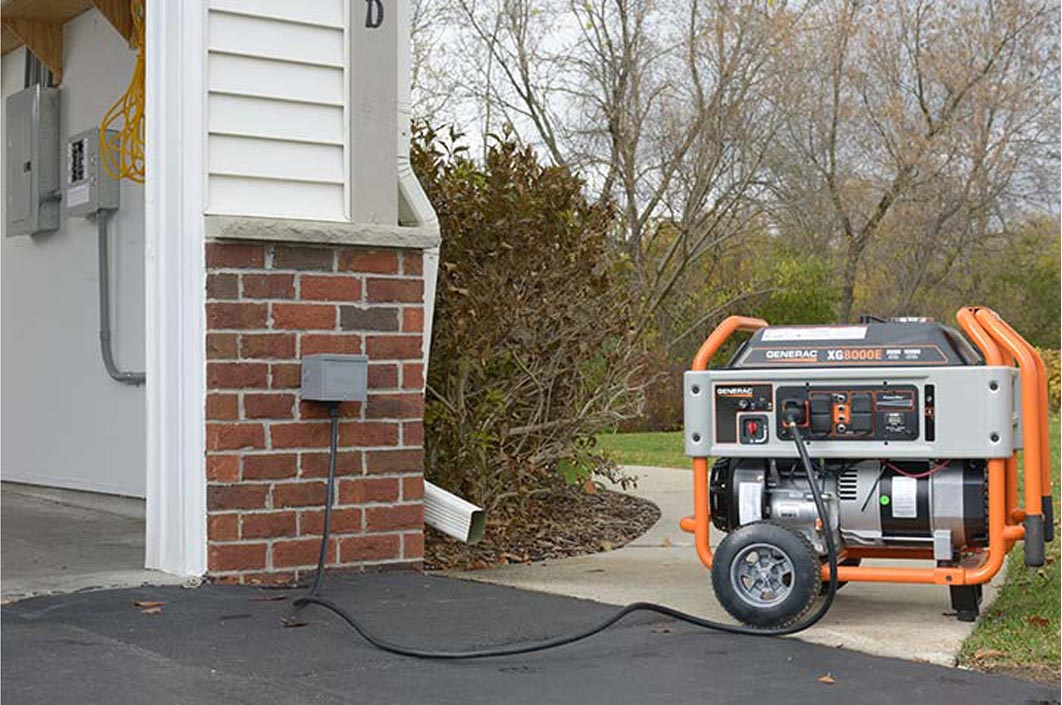
Before you buy
Top 5 things to know when buying a generator
Consideration 01
Generator’s purpose
If you are buying a generator in preparation for a storm, be sure to understand the essential equipment you will want to run. A good choice in a generator will produce enough power to run your heat or air conditioner and other essentials (like a refrigerator to keep your food intact. Some generators may produce enough power to also keep your sump pump, fire and burglar alarms going too. In winter having heat during a power outage can not only keep your family reasonably warm and safe during a storm, but it can also help prevent frozen pipes too. If you plan on using your generator on a job site or another type of industrial application, it is often best to look at the specific wattage required.
| Wattage | Should Power |
|---|---|
| 1000-2500 Watts | campers, tailgaters and boater needs |
| 3000-5000 Watts | smaller furnace if you get water from the city or most equipment |
| 5000-7000 Watts | larger furnace or a small furnace with well pump |
| 6500-9000 Watts | equipment with 3 horsepower or greater |
Consideration 02
Noise level considerations
Many areas have noise ordinances, especially if you plan on running your generator at night. If a generator is too noisy, it may be unsuitable for camping, RVing and powering outdoor events. Noise level is measured in decibels. Note – for every 10 decibel increase, the noise level is 10 times more powerful. This means that a generator that runs at 70 decibels is 10 times louder than a generator that runs at 60 decibels. Be sure to buy a quieter generator if you have noise restrictions or just don’t want a loud generator in your life.
Consideration 03
Ease of use
If you can’t get your generator started or isn’t easy to use, especially when you need it the most, then what’s the point of owning a generator. Look for electric start, efficient gas burn rate (less fuel used) and a large gas tank (how long can the generator go before next refill. You should always look for the maximum run time that you can afford.
Consideration 04
Size and ease of transport
Consider the most compact generator that you can buy that still produces the right amount of power output. Look for wheels that can be used to move the generator into the right location without anyone else’s help.
Consideration 05
Quality of craftsmanship
Buying a generator is not inexpensive, but it can be the best money that you could ever spend when your lights and power go out. Look for quality components like metal parts, solid fittings and high quality electrical switches. Ask yourself if the manufacturer is well known and what is the warranty policy.
Choose the right generator for your needs
If you follow these simple 5 Things You Need To Know When Buying A Generator, you will be sure to pick the right one for your needs.